
Is Liposuction Safe? Understanding the Risks and Benefits
Are you considering liposuction but wondering, ‘Is liposuction safe?’ Let’s delve into the safety aspects of this popular cosmetic procedure.
Interest in body sculpting and cosmetic surgery is at an all-time high. Everyone has seen the news stories highlighting bad outcomes, so is liposuction safe? The truth is that complications from liposuction are very rare.
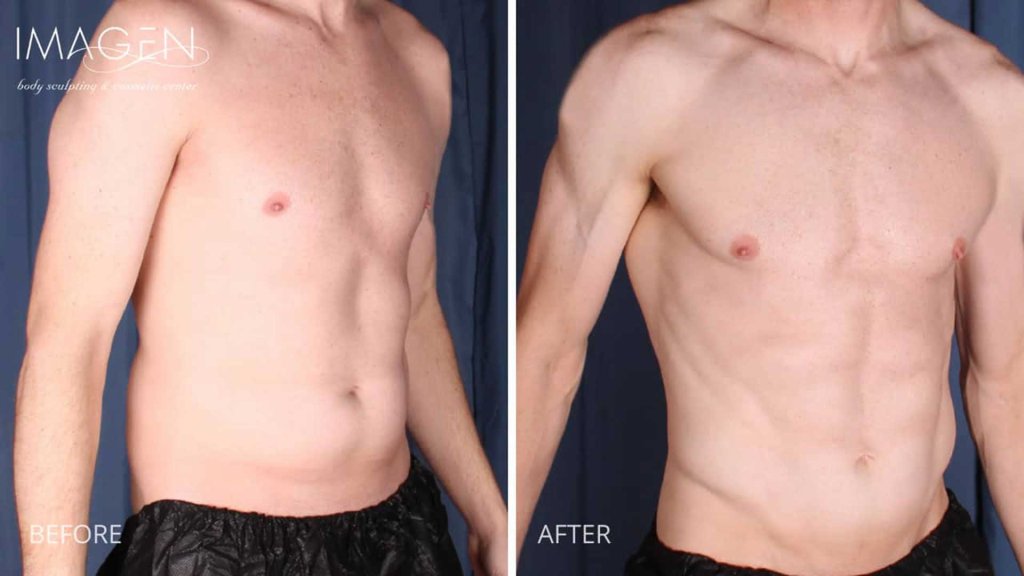
Liposuction was the most requested plastic surgery procedure in 2022 (1) and it has had a 23% increase in volume since 2019! Over 325,000 liposuctions were performed in 2022 by board certified plastic surgeons. Our surgeon, Dr Frank Soto León performs hundreds of liposuction cases each year. He teaches his liposuction techniques to doctors around the world. At Imagen, your safety is always our priority. Even with an experienced surgeon, complications from cosmetic procedures are possible. You need to be aware of the risks of liposuction and the ways that you can reduce your risks for complications.
What is liposuction? Is liposuction safe?
In order to understand the risks of lipo, we must first understand what exactly liposuction is. Liposuction is a body contouring procedure that removes fat cells using a suction cannula. There are many different types of liposuction, but all are based on placing a cannula into the subcutaneous fat and removing select fat deposits. Suction assisted liposuction can be performed on nearly any area of the body but cannot be done on ALL areas of the body. It cannot be used for general weight loss, most patients have a minimal change in body weight. Liposuction is not a treatment for obesity. Liposuction is a treatment for focused, specific areas of body fat. Some of the commonly treated areas are abdomen, love handles, upper arms, and neck.
- Traditional Liposuction is usually done under general anesthesia. A cannula is used to remove the excess fat cells intact.
- Energy Based Liposuction is a minimally invasive surgical procedure that uses some form of energy to break up the fat cells in the treated area. This is generally done as tumescent liposuction. This process uses large volumes of fluid to separate the fat cells and provide local anesthetic for your comfort. The fat removal is then performed by cannula (smaller cannulas can be used because the fat has been liquified). Energy based liposuction can help improve skin elasticity.
- Ultrasound assisted liposuction (UAL) – Vaser liposuction uses ultrasonic energy to break up the connective tissue around the fat cells.
- Laser assisted liposuction – SmartLipo uses laser energy to rupture the fat cells and break up connective tissue.
- Power Assisted Liposuction uses vibration cannulas to further break up the connective tissue around the fat. This reduces the trauma of the liposuction procedure and thus the potential complications and side effects.
What are the most common complications of liposuction? Understanding Liposuction Safety
By far, the most common secondary effects and risks caused by liposuction are bruising and swelling. These effects occur to some extent in almost every liposuction patient. This is something that you should expect as part of the healing process associated with liposuction. Many patients also have numbness (decreased skin sensation) in the treatment area. This is usually caused by the swelling. All these effects typically resolve in the weeks to months following your liposuction procedure.

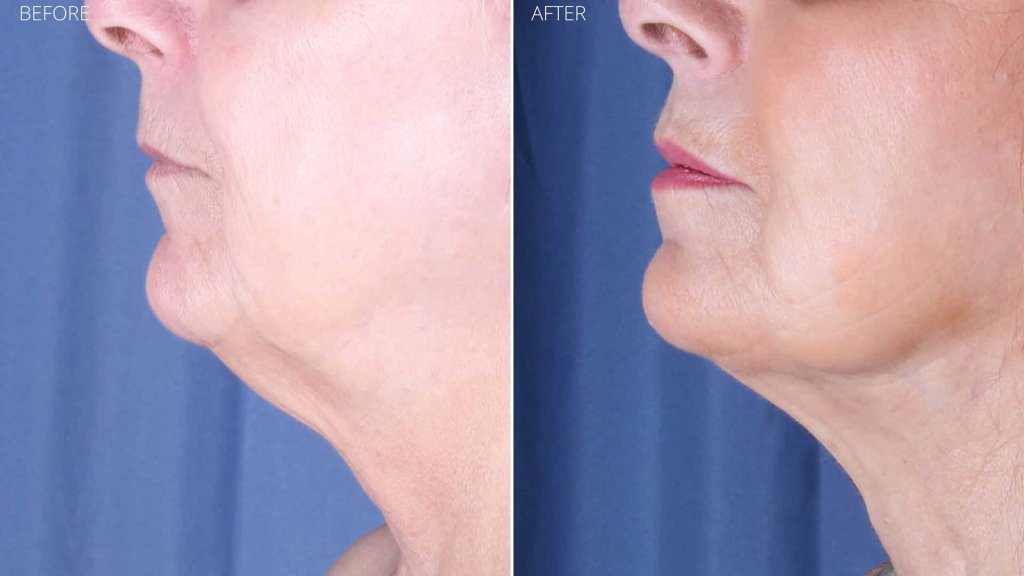
Less common liposuction risks are fluid accumulation (seromas) and infections. Typically, these complications are not serious and can be treated on an outpatient basis by draining fluid collections or treating infections with antibiotics. Contour irregularities (ripples or “dents” in the treatment area) can also occur but can generally be improved with further treatments. It is important to ask your cosmetic surgeon how often these types of complications occur in their practice. Some patients experience loose skin after a liposuction procedure. This risk can be reduced by using laser or Renuvion.
What are the most serious risks of liposuction? Is liposuction safe?
Fortunately, the serious complications of liposuction are very rare. A recent study in the Aesthetic Surgery Journal (2) which reviewed over 30,000 liposuction cases found a complication rate of less than 1%. So when asked if liposuction is safe, I can confidently say, yes, liposuction is safe. Some of the most serious (very rare) risks of liposuction include:
- Perforation – when the suction cannulas pass through the muscle wall into the space where your organs are.
- Fat embolism – when fat enters into a blood vessel.
- Deep Vein Thrombosis – DVT or a blood clot that generally starts in your legs and can travel to your lungs.
All these can be life threatening, so it’s very important to minimize your risks as much as possible.
How do I minimize risks and side effects of liposuction procedures?
So is liposuction safe? Yes! Are there things you can do to reduce your risk even further? Also yes!
Have the procedure under local anesthesia
One of the best ways to reduce your risks during liposuction is to have the procedure under local anesthesia. General anesthesia increases your risks for medication complications and blood clots. Also, patients who are under general anesthesia are at higher risk for perforation. When a patient is awake during liposuction, they will reflexively contract their abdominal wall if a cannula nears the muscles. This thickens the muscle wall, making it much more difficult to enter the organ cavity.
- Tumescent anesthesia further reduces risk by combining a large amount of fluid with the lidocaine, helping to slow its uptake. It also contains epinephrine, which will reduce blood loss and bruising.
Choose a local doctor
Choose a doctor who is local to you. Travelling for liposuction surgery will increase the risk for complications. Long car trips can increase the risk for blood clots and changes in pressure as seen with airline travel can cause fluid shifts. If you have a complication after an out-of-town procedure, it’s unlikely that you will find a local specialist who is willing to take on your case. Without knowledge of exactly what procedure was done and the methods used, it’s difficult to anticipate or appropriately treat complications.
Make sure lipo is the right procedure for you
Talk with your doctor about your expectations of the procedure. Make sure that liposuction is really what you need. Liposuction will not treat obesity or cellulite. It does not remove excess skin like a tummy tuck does. Liposuction removes a limited amount of fat. If your surgeon thinks that you need to remove more than 5 liters of fat, it should be done under general anesthesia in a hospital setting.
Don’t look for cheap lipo
Avoid cheap lipo. Liposuction is a delicate procedure that requires time and training. Doctors who offer lipo for rock bottom prices are likely not well trained or are performing too many surgeries in a day to maintain safety. The last thing you want is a liposuction surgeon who cuts corners.
Move around…a lot
Always be sure to get up and moving as soon as possible after your liposuction procedure. Moving around during your recovery time will help to prevent blood clots and help you mobilize fluid, helping to relieve swelling.
Talk about fat transfer risks
If you’re having a fat transfer, make sure your surgeon uses blunt cannulas to re-inject the fat. Sharp cannulas or needles can puncture blood vessels, increasing the risk of fat embolism.
You chose a great surgeon, listen to them
Follow your post op instructions. Wear your compression garment 24/7. This will help keep the tissues spaces closed, reducing your risk for seromas. If your doctor wants you to take an antibiotic around the time of your procedure, follow their recommendations. Go to all your follow up appointments and discuss any concerns with your surgeon.
Just like your mom said…always tell the truth
Be honest with your surgeon. They are your partner in the liposuction surgery process. Let them know if you smoke or drink daily and if you use any other drugs, including prescriptions. Interactions between substances can be serious. Be sure to let them know about any medical conditions that you have and any prior surgeries that you have had as well. We all want you to get a great result.
Choosing a Liposuction Surgeon
While complications from liposuction are rare, it’s important to prioritize safety and discuss any concerns with your cosmetic surgeon.The choice of your liposuction surgeon is a very important step in your process. Choose a surgeon with an expert level of experience, one who won’t cut corners on your procedure or rush to get onto the next one. Our liposuction surgeon, Dr Frank Soto León, has trained extensively with some of the best liposuction surgeons in the world and now he trains other doctors in his proprietary techniques. If you would like to schedule a consultation with Dr Frank, please call us at 402-395-0511. You can also start your process with a virtual consultation. We look forward to meeting you!
Jennifer Tighe de Soto, MD is a cosmetic surgeon who is board certified through the American Academy of Aesthetic Medicine. For more advice from Dr. de Soto on liposuction or other aesthetic treatments please visit www.omahaliposuction.com where you can read our blog and see before and after photos of actual patients. If there’s a topic you would like to see us cover in a blog, please Contact Us .
References:
https://www.plasticsurgery.org/news/press-releases/american-society-of-plastic-surgeons-reveals-2022s-most-sought-after-procedures
https://academic.oup.com/asj/article-abstract/37/6/680/3744817?redirectedFrom=PDF
