

Key Takeaways
- Consistent Care is Crucial: Following early scar care techniques diligently for breast lift scars and plastic surgery incision lines can significantly improve healing outcomes and reduce visible scarring.
- Patience with Healing: Understanding that breast lift scars and incision lines from plastic surgery heal gradually over months to years can help manage expectations and reduce anxiety.
- Effective Minimization Strategies: Applying recommended treatments like silicone sheets, scar creams, and sun protection can aid in minimizing scars post-surgery, especially along incision lines after a breast lift, depending on skin type and techniques used.
- Healthy Lifestyle Choices: Maintaining a healthy diet, staying hydrated, and avoiding smoking are steps that can enhance the body’s natural healing abilities and image.
- Professional Guidance: Regular follow-ups with your plastic surgery surgeon can provide personalized advice and adjustments to your breast lift scars care routine for optimal results, including techniques for managing incision lines.
- Educational Resources: Utilizing FAQs and consultation opportunities can empower you with knowledge about incision lines and breast lift scars, ensuring you’re well-prepared and confident in your post-surgery care.
Understanding Breast Lifts
Reasons for Breast Lift
Many women opt for a breast lift through plastic surgery to address sagging and deal with incision lines. Aging, pregnancy, and weight loss can cause breast tissue to lose its firmness, prompting some to seek a lift despite potential incision lines. A breast lift can restore a youthful appearance.
Another reason is to improve symmetry. Some women have uneven breasts. A lift can make them more symmetrical.
Benefits of Breast Lift
A breast lift offers several benefits. It enhances the shape and contour of the breasts. This can boost self-confidence and body image.
The procedure also reduces skin irritation under the breasts. By lifting the breasts, it prevents chafing and discomfort.
Types of Breast Lift Surgeries
There are different types of breast lift surgeries available:
- Crescent Lift: Suitable for minor sagging.
- Peri-Areolar or Donut Lift: Ideal for mild sagging.
- Vertical or Lollipop Lift: Addresses moderate sagging.
- Anchor or Inverted-T Lift: Best for significant sagging.
Each type involves different incision patterns and techniques.
Realistic Expectations
It’s important to have realistic expectations about incision lines and a breast lift surgery. The results vary based on individual factors like skin elasticity, breast size, lift, and incision lines.
Scarring is inevitable but will fade over time. Proper care can minimize their appearance.
Timeline of Scar Healing
3 Weeks Post-Surgery
Scars are most noticeable in the first few weeks. At three weeks, scars are still fresh and red. They may appear raised and feel firm to the touch after a breast lift. Some swelling might persist around the incision sites.
Patients often experience itchiness as the skin starts to heal. Keeping the area clean is crucial during this time. Moisturizing with doctor-approved creams can help reduce discomfort.
6 Months Progression
By six months, scars begin to fade. The redness decreases, and they start to flatten out. The texture becomes smoother as collagen remodels.
It’s common for scars to look pink or light brown at this stage after a breast lift. Sun exposure should be minimized to prevent darkening of the scars after a breast lift. Using sunscreen on the scarred areas is advisable.
1 Year Mark
At one year, significant healing has occurred. Scars become less visible and blend more with the surrounding skin tone after a breast lift. The firmness reduces considerably.
Patients might notice a slight indentation where the incisions were made during the breast lift. This is normal and part of the natural healing process after a breast lift. Regular massage can help improve scar appearance.
2 Years Later
Two years post-surgery, scars reach their final appearance. They are usually thin lines that are barely noticeable unless closely inspected after a breast lift.
The color of the scars typically matches or is slightly lighter than your skin tone by now after a breast lift. Most patients feel confident wearing clothing that reveals their chest after a breast lift without concern for visible scarring.
Early Scar Care Techniques
Postoperative Instructions
Following postoperative care instructions is crucial. This helps minimize scars. Surgeons provide these guidelines based on your skin type and procedure specifics, such as a breast lift.
Avoid removing bandages too soon. Keep the area clean and dry. Follow any prescribed medication regimen.
Avoid Vigorous Activities
Avoiding vigorous activities is essential in the early stages of breast healing to lift recovery. Strenuous movements can stretch and worsen scars.
Limit heavy lifting and intense exercise for at least 4-6 weeks after breast surgery. Gentle walking is usually safe but consult your doctor first.
Silicone Patches
Silicone patches are effective for scar reduction. They create a protective barrier over the scar, helping it heal better.
Use silicone patches as directed by your surgeon. Typically, they should be worn for 12-24 hours daily for several months on the breast.
Scar Minimizing Creams
Scar minimizing creams can also aid in healing. These creams often contain ingredients like onion extract or vitamin E for breast care.
Apply these creams once the wound has closed completely. Always follow your doctor’s recommendations on which product to use.
Home Care Tips
Basic home care plays a significant role in scar management. Simple things can make a big difference in how well scars heal.
Keep the incision site moisturized but avoid heavy lotions that could clog pores. Wear loose clothing to prevent irritation around the scar area.
Minimizing Scars After Surgery
Regular Massaging
Regular massaging can help minimize scars. Use gentle pressure on the hypertrophic scars. Always get approval from your surgeon first. This technique can soften the scar tissue and make it less noticeable over time.
Massaging should be done daily. It improves blood circulation around the incision sites. Better blood flow aids in faster healing and reduces scar size.
Healthy Lifestyle
Maintaining a healthy lifestyle is crucial for optimal scar healing. Eat a balanced diet rich in vitamins and minerals. Nutrients like Vitamin C and Zinc are essential for skin repair.
Stay hydrated to keep your skin supple. Exercise regularly to improve overall health, which supports healing processes.
Avoid Smoking
Smoking negatively affects scar healing. Nicotine restricts blood vessels, reducing blood flow to the skin. Poor circulation slows down the healing process at incision lines.
Quitting smoking before and after surgery is highly recommended. It ensures better oxygenation of tissues, leading to improved recovery and less visible scars.
Limit Alcohol Intake
Alcohol consumption can impair wound healing. It dehydrates the body and affects liver function, which is vital for detoxifying the body during recovery.
Reducing or eliminating alcohol intake helps maintain hydration levels. Proper hydration promotes healthier skin and quicker healing of incision sites.
Protect from Sun Exposure
Sun exposure can darken scars, making them more prominent. UV rays damage new skin cells forming at the incision lines.
Use sunscreen with high SPF when going outdoors. Wear protective clothing to shield the surgical area from direct sunlight. These steps help in keeping scars lighter and less visible.
Follow Surgeon’s Instructions
Always follow your surgeon’s post-operative care instructions carefully. They may provide specific guidelines for treating your type of scars based on their experience with plastic surgery.
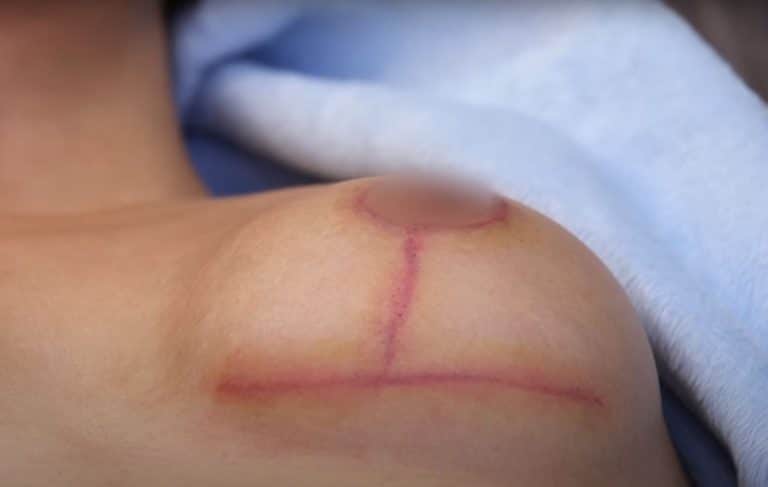
Your surgeon might recommend silicone sheets or gels for additional support in minimizing scars. Adhering to these recommendations can significantly improve scar appearance over time.
Scar Evolution Over Time
Initial Stage
Scars start pink and swollen. This occurs right after surgery. The edges may feel raised and firm. During the first few weeks, they can be itchy. This is normal as the body begins healing.
Three Months
By three months, scars begin to flatten. The pink color starts to fade. They become less noticeable under clothes. Proper care practices, like moisturizing, help in this stage.
One Year
After a year, scars show significant changes. They usually become flat and pale. The texture smooths out more. At this point, most of the healing has occurred.
Long-Term Changes
Over several years, scars continue to lighten. They blend better with surrounding skin. Most will never completely disappear but will look much less prominent.
Effective Practices
Certain steps can improve scar appearance:
- Use silicone sheets or gels
- Apply sunscreen to prevent darkening
- Massage the scar area regularly
- Follow your doctor’s advice strictly
Emotional Impact
Seeing scars evolve can be emotional. Initially alarming, they gradually become a part of you. Many find comfort in knowing significant lightening happens over time.
Tips for Enhanced Healing
Stay Hydrated
Drinking plenty of water helps the body heal. Hydration keeps the skin moist and elastic. This can reduce the appearance of scars over time.
Many patients notice better skin tone when they stay hydrated. Aim for at least 8 glasses of water daily.
Maintain a Healthy Weight
Keeping a stable weight aids in healing. Fluctuations in weight can stretch or stress healing scars.
A balanced diet supports skin health. Include fruits, vegetables, and lean proteins in your meals.
Professional Scar Removal Treatments
For persistent scars, seek professional help. Dermatologists offer various treatments to minimize scar visibility.
These treatments include:
- Silicone sheets or gels
- Steroid injections
- Microneedling
Consult a specialist to find the best option for your skin type.
Laser Treatment
Laser treatment is effective for reducing itchiness and keloids. It targets scar tissue without harming surrounding skin.
This method smooths out raised scars and improves overall appearance. Many patients see significant improvements after a few sessions.
Use Sunscreen
Protecting scars from sun exposure is vital. UV rays can darken scars, making them more noticeable.
Apply sunscreen with at least SPF 30 on healed areas before going outside. Reapply every two hours if staying in the sun for long periods.
Massage Therapy
Massaging scar tissue can break down fibrous bands under the skin. This makes scars softer and less visible over time.
Use gentle circular motions with a moisturizing lotion or oil. Do this daily for several minutes to see results.
Natural Remedies
e natural remedies may help reduce scar appearance:
- Aloe vera gel
- Honey
- Vitamin E oil
These ingredients have soothing properties that promote healing and improve skin texture.
Avoid Smoking
Smoking impairs blood flow and slows down the healing process. Nicotine constricts blood vessels, reducing oxygen supply to tissues.
Quitting smoking can enhance recovery and lead to better scar outcomes.
FAQ on Breast Lift Scars
Scar Permanence
Scars from a breast lift are permanent. They will not disappear completely. Over time, scars may fade significantly. The fading process can take several months to years. Each person’s skin heals differently.
Treatment Options
Many women use scar gels to reduce the appearance of scars. These gels contain silicone, which helps flatten and soften scars. Silicone gel sheets are another option. They can be worn under clothing.
Misconceptions About Disappearance
e believe scars vanish entirely with treatment. This is not true. Treatments can improve the look of scars but cannot make them disappear completely. It’s important to have realistic expectations.
Effectiveness of Scar Gels
Scar gels are effective for many people. They help with redness and texture changes in the scar area. Consistent use is key for best results. Apply the gel daily as directed by your doctor.
Impact of Sun Exposure
Sun exposure can worsen scars. UV rays darken and thicken scar tissue, making it more noticeable. Protect your scars from the sun by using sunscreen or covering them with clothing.
Irritation and Worsening
Irritation can make scars worse. Avoid scratching or rubbing the scarred area. Wear loose clothing to prevent friction against your skin. Keep the area clean and moisturized to promote healing.
Booking Your Consultation
Qualified Surgeon
Choosing a qualified surgeon is crucial. A skilled professional ensures the best outcomes. They minimize scarring and optimize healing.
Patients should research the clinic’s credentials. Verify the surgeon’s experience with breast lifts. Check for board certification and patient reviews.
Individual Concerns
During the consultation, discuss individual concerns. Every patient’s body is unique. Address specific worries about scars and healing.
Bring up any past medical history. Mention allergies or reactions to materials used in surgery. This information helps tailor the procedure.
Expectations
Set realistic expectations for post-surgery appearance. Understand that scars will be present but can fade over time.
Ask about the expected timeline for scar healing. Most patients see significant improvement by the month mark. Full healing may take longer.
Questions List
Prepare a list of questions for your consultation:
- What types of scars are common with this procedure?
- How can I manage and reduce scar appearance?
- What is the expected recovery time?
Having these questions ready ensures you cover all important aspects during your visit.
Scar Management
Discuss scar management techniques with your surgeon. They may recommend specific creams or treatments to aid healing.
e clinics provide detailed aftercare instructions. Follow these guidelines closely to ensure optimal results.
Emotional Support
Acknowledge the emotional side of surgery. Many patients feel anxious about their new image and scars.
Seek support from loved ones or join a support group. Sharing experiences can help ease concerns and provide comfort.
Closing Thoughts
Your journey to a confident you doesn’t stop after surgery. With the right care, your breast lift scars will heal beautifully over time. Follow our tips and stay patient—your efforts will pay off.
Ready to take the next step? Book your consultation now and start your path to feeling fantastic. Expert advice and personalized care await you. Don’t wait—embrace your transformation today!
Frequently Asked Questions
How long does it take for breast lift scars to heal?
Breast lift scars typically take 6-12 months to fully mature. Initial healing occurs within a few weeks, but scars will continue to fade and soften over time.
Can I speed up the scar healing process?
Yes, you can. Follow your surgeon’s aftercare instructions, keep incisions clean, stay hydrated, and avoid sun exposure to speed up healing.
Will my breast lift scars be visible?
Scars are usually placed in less noticeable areas. Over time, they fade significantly. Proper care can make them less visible.
What can I do to minimize scarring?
Use silicone sheets or gels, apply vitamin E oil, and follow a healthy diet rich in vitamins A and C to minimize scarring.
Are there any treatments for old breast lift scars?
Yes, treatments like laser therapy, microneedling, and steroid injections can improve the appearance of older scars.
When should I start scar care after surgery?
Start scar care once your incisions have fully closed, usually around 2-3 weeks post-surgery. Consult your surgeon for specific recommendations.
Is it normal for breast lift scars to itch?
Yes, mild itching is common as scars heal. Avoid scratching; use recommended creams or ointments to soothe the area.
