
We have talked about the right goal—fat loss, not weight loss. That’s an important distinction, because fat loss is a lifelong objective, not a short-term diet or quick fix.
And let’s be honest: living on a diet is no fun. Constantly denying yourself, feeling hungry, low-energy, or exhausted just to maintain results isn’t sustainable—and it’s certainly not enjoyable.
So the real question becomes this:
How do you lose weight without feeling hungry?
The answer starts with eating the right foods.
Why You’re Always Hungry (Even When You Eat Enough)
Highly processed foods (basically anything with a nutrition label) are designed to make you want more.
Because they tend to be low in protein and nutrients, they rarely trigger true satiety. This is why it’s so easy to overeat—or even binge—on junk food.
Imagine trying to overeat steak and salad. Between the chewing and your body’s natural “full” signals, it’s almost impossible.
With ultra-processed foods, you never hit that full switch. Your body keeps signaling that you want more, even when you’ve already eaten enough calories.
This is what many patients describe as “food noise.”
And it’s very real.
What Is Food Noise—and How Do You Reduce It?
Food noise is that constant mental chatter about food:
- thinking about your next meal
- feeling like you’re never quite satisfied
- struggling to stop eating
Much of this is driven by poor food quality—not just willpower.
As your diet improves, most people notice fewer cravings and better control around food.
For patients in our medical weight loss program in Omaha, this is where GLP-1 medications can be incredibly helpful. They quiet that constant hunger signal while you build better, sustainable habits.
How to Naturally Increase GLP-1 (Your Body’s Fullness Hormone)
GLP-1 is a hormone that:
- slows stomach emptying
- signals fullness to your brain
- helps regulate appetite
You can stimulate your natural GLP-1 with a few simple strategies:
1. Start Meals with Protein and Fat
This is one of the most effective ways to trigger satiety early.
2. Use a “Protein Preload”
If you tend to overeat, having a protein shake before a meal can significantly reduce how much you eat.
3. Don’t Eat Carbs Alone
Pair carbohydrates with protein and/or fat to prevent blood sugar spikes and overeating.
Think:
- fruit + Greek yogurt
- rice + chicken + olive oil
- toast + eggs + avocado
The Real Secret to Sustainable Weight Loss
The goal isn’t to eat less food.
It’s to eat foods that actually satisfy you.
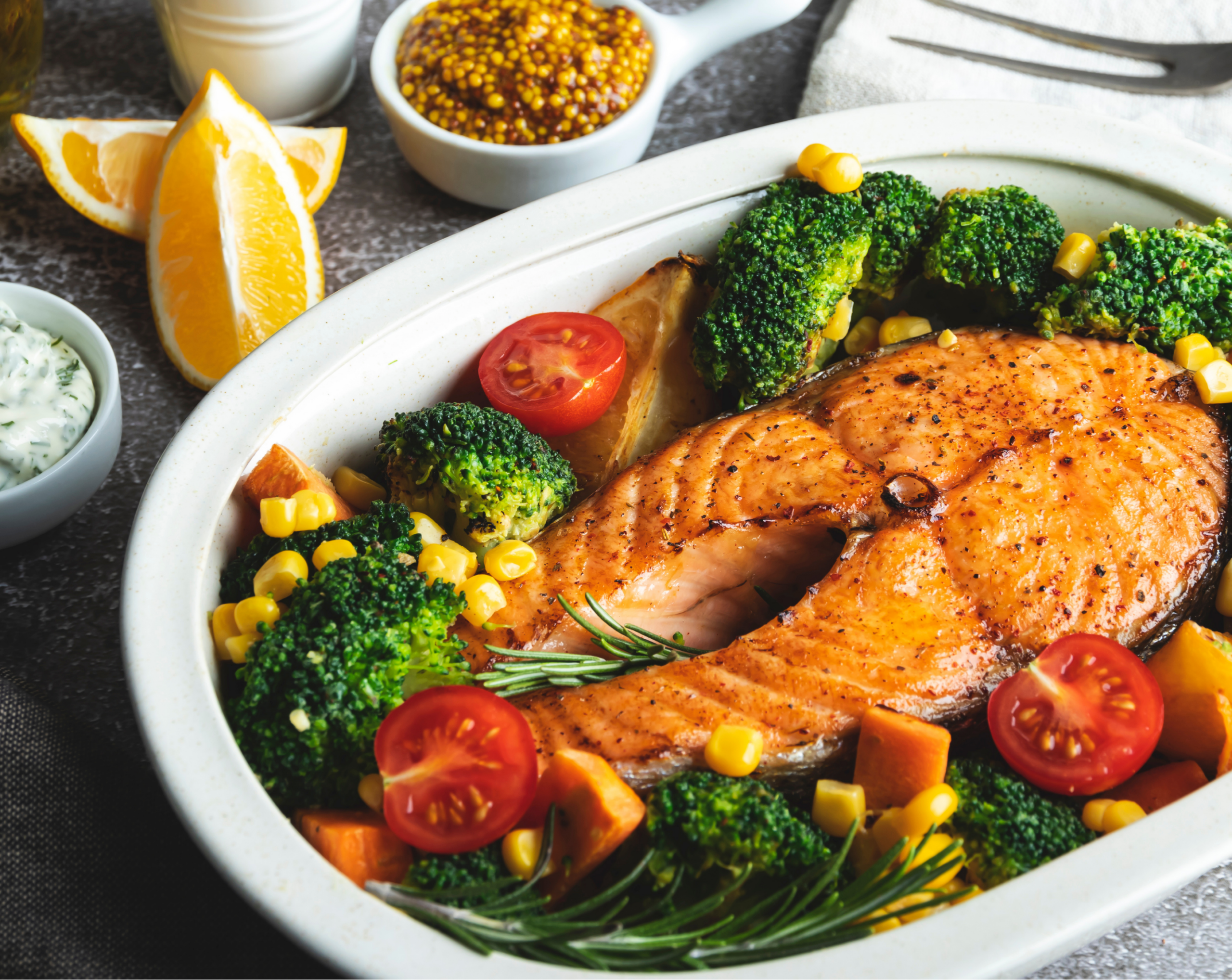
When your meals are built around:
- protein
- fiber
- healthy fats
Most people are surprised by how much they can eat while still losing weight.
Avoid constant hunger.
No white-knuckling.
No living on a diet.
Just a smarter, more sustainable way to nourish your body.
Weight Loss Support in Omaha
If you’ve been struggling with hunger, cravings, or feeling like nothing “sticks,” you’re not alone.
At Imagen, we take a different approach to weight loss—one that combines:
- physician-guided nutrition
- metabolic testing (PNOĒ & InBody)
- GLP-1 medications when appropriate
- long-term strategy, not quick fixes
If you’re ready for a more sustainable approach to weight loss in Omaha, we’re here to help.
Weight Loss FAQs
It comes down to what you’re eating, not just how much. Foods that are high in protein, fiber, and healthy fats help you feel full sooner and stay satisfied longer. When your body is actually nourished, you naturally eat less overall—without feeling restricted.
Many traditional diets rely on cutting calories without improving food quality. Highly processed foods don’t trigger your body’s natural fullness signals, so even if you’ve eaten enough calories, your brain still feels like it needs more. This can lead to constant hunger and cravings.
Food noise is the ongoing mental chatter around food—thinking about what to eat next, feeling unsatisfied after meals, or struggling to stop eating. It’s not just about willpower. It’s often driven by blood sugar swings, poor food quality, and hormonal signals related to hunger and fullness.
Yes, GLP-1 medications can be very effective for weight loss. They work by slowing stomach emptying, increasing feelings of fullness, and reducing cravings. For many patients, this helps quiet “food noise” and makes it easier to build healthier, more sustainable eating habits.
Foods that are rich in protein, healthy fats, and fiber are the most effective for promoting fullness. Examples include lean meats, eggs, Greek yogurt, vegetables, whole grains, nuts, and seeds. Combining these nutrients in your meals helps stabilize blood sugar and keeps you satisfied longer.
Yes. Many people notice fewer cravings when they eat fewer ultra-processed foods and build meals around protein, fiber, and healthy fats. These foods support your body’s natural fullness signals and make it easier to feel satisfied after eating.
Imagen Body Sculpting & Cosmetic Center offers medical weight loss support in Omaha, including physician-guided care, metabolic testing, body composition analysis, and GLP-1 therapy when appropriate.
