

Liposuction is a popular cosmetic procedure that helps patients achieve a slimmer, more contoured physique by removing excess fat deposits — sometimes paired with Renuvion® skin tightening or a BBL fat transfer. Just like any other personal investment, it requires self-discipline and good decision-making in order to cultivate the best results! While the recovery period for liposuction is generally short, it is important for patients to take special care of their bodies before, during and after the procedure with healthy practices that will set them up for success.
With so much conflicting information out there, it can be hard to know exactly what the best practices are. To help clear up any confusion and provide expert guidance, we teamed up with Dr. Jennifer Tighe de Soto, a board-certified cosmetic surgeon in Omaha, NE, to gather her top recommendations for patients recovering from liposuction.
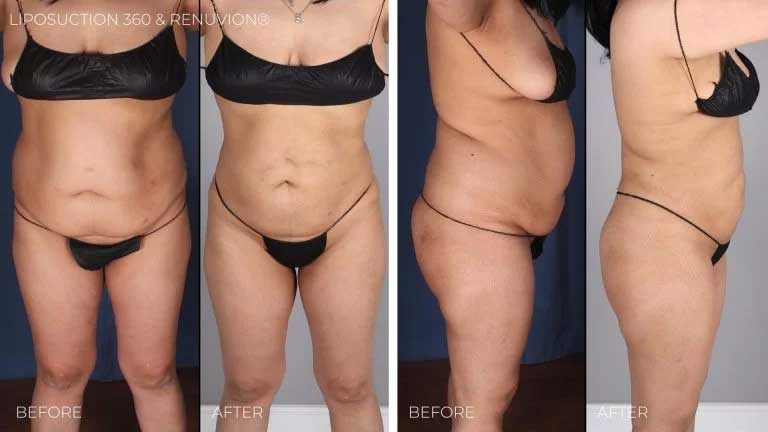
It’s important to note that you don’t have to be going through a procedure like lipo 360 or Renuvion® to follow these tips! Some patients think the time to start eating right is once they get the surgery done but the truth is, you should start these healthy habits long before your surgery! If you’re in the early research stages and know you want to do lipo later down the road, implementing these recommendations now can only benefit your journey for the best. Read on to learn more about what you should and should not be doing to achieve your desired results!
Eat Healthy
One crucial aspect of liposuction recovery that is often overlooked is nutrition. A healthy, balanced diet can make a significant difference in how well your body recovers after liposuction. We know this is easier said than done so let’s talk about how and why high-fat and carbohydrate-heavy foods can impact your recovery process.

Avoid High-Fat Meals
Eating too many greasy, unhealthy foods can be really bad for your health. Not only can they make you gain weight, but they can also mess with your cholesterol levels and raise your chances of getting heart disease, diabetes, and even cancer. Plus, if you eat too much of that stuff, you might miss out on important vitamins and minerals your body needs. So, it’s a good idea to limit your intake of high-fat foods and aim for a balanced, healthy diet to stay in good shape.
Eating a lot of fatty foods before a major medical procedure is not a good idea. It can make you feel queasy and uncomfortable during and after the procedure, and even worse, it can increase your chances of having heart problems, strokes, or blood clots. So if you want to be safe and healthy, it’s best to avoid those high-fat foods before your procedure.
Avoid High-Carbohydrate Meals
Eating too many unhealthy, carb-loaded foods can lead to several negative impacts. Not only can it make you feel bloated and sluggish, but it can also cause your blood sugar to spike and crash, which can leave you feeling pretty crappy. Plus, if you’re eating too many of these foods, you might not be getting enough of the other nutrients your body needs to function properly. So, to keep yourself feeling good, it’s best to limit your intake of unhealthy carb-rich foods and focus on a more balanced, nutritious diet.
Stuffing yourself with high-carb foods before a major medical procedure is even worse. It can cause bloating, gas, and other tummy troubles that no one wants to deal with during or after the procedure (especially in combination with your procedure medications). Plus, all those carbs can mess with your blood sugar levels which can threaten your overall blood flow. To avoid any complications, it’s best to lay off the high-carb foods and stick to healthier choices such as eggs, yogurt, etc. for your breakfast on the day of the procedure.
Consistency is Key
Stuffing yourself with a feast of unhealthy foods before a major medical procedure is one of the worst things you can do. It can cause bloating, gas, and other tummy troubles that no one wants to deal with during or after the procedure (especially in combination with your sensitive procedure medications). Plus, all those carbs can mess with your blood sugar levels which can threaten your overall blood flow. To avoid any complications, it’s best to lay off the “one last hurrah” mentality and avoid high-carb, high-fat foods and stick to healthier choices before the big day.
Meal Prep
Planning ahead can help ensure that you have healthy, high-protein meals ready to go, which can be especially important for promoting healing and recovery. Especially with those first few days after your procedure, you may not have the full energy for grocery shopping and cooking so you’re doing your future self a big favor!
By preparing your meals in advance, you can ensure that you’re getting the right balance of nutrients and avoiding unhealthy options that could hinder your recovery. This option is great when preparing for liposuction recovery but it’s also not a bad idea to keep this up long after the procedure if it helps you stick to your healthy-eating choices too!
Choosing meals that are high in protein and low in fat, carbohydrates and sodium can also help support muscle growth and repair, while minimizing inflammation and the risk of complications. This diet can also help stabilize blood sugar levels, reduce cravings, and promote weight loss. This can be especially helpful for patients who are looking to maintain a healthy weight before and after their procedure.
Start Supplementation
Supplementation can be a great way to improve a poor diet and exercise routine or enhance an already good diet and exercise routine. Especially in the period leading up to your procedure, supplements are recommended and encouraged for optimal healing and recuperation.
Supplements can provide additional vitamins, minerals, and other nutrients that your body needs to function at its best. For example, if you’re not getting enough protein in your diet, a protein supplement can help you build muscle and recover faster from workouts. Similarly, if you’re not getting enough of a certain vitamin or mineral, a supplement can help fill in the gaps. Just remember that supplements should be used to complement a healthy diet and exercise routine, not be a replacement for them. Here are Dr. Jennifer’s supplement recommendations!
Collagen Supplement
Collagen is a great supplement to take before a cosmetic procedure because it can help support skin elasticity and promote healing. These procedures, while minimally invasive, can still take a toll on the body, and collagen can help speed up the recovery process by providing the building blocks needed for tissue repair. Collagen can also help improve skin texture and reduce the appearance of fine lines and wrinkles, which can be especially beneficial after a procedure. Overall, taking collagen as a supplement can help support a healthy, youthful appearance and aid in post-procedure recovery.
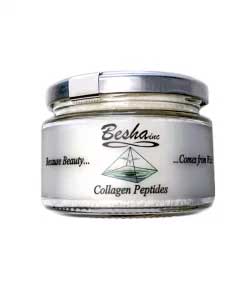
Besha Collagen Supplement Powder
This is the highest quality collagen you will find in the market. It is a patented formula developed in a German lab, and scientifically tested to rejuvenate from within. VIEW THIS PRODUCT
Daily Multivitamin Supplement
Taking a daily multivitamin is a great supplement to take before a cosmetic procedure because it can help support overall health and wellness. These procedures can be stressful on the body, and a multivitamin can provide an extra boost of essential vitamins and minerals needed for proper bodily function. Taking a multivitamin in general can also help fill any gaps in your diet and ensure that you’re getting all the nutrients you need for optimal health. Overall, a daily multivitamin can be a simple yet effective way to support your body before and after the procedure.
Vitamin C, Zinc & Vitamin D3 Supplements
If you’re not ready to commit to a full-course multivitamin complex — vitamin C, vitamin D and zinc are at least the must-take supplements. These nutrients are especially helpful for your immune system because they reduce the risk of infection—a great defense to grant your body before it undergoes minimally invasive body sculpting procedures!
It’s also not a bad idea to take these in addition to your daily multivitamins. If you’re not sure, always consult your cosmetic surgeon or primary care provider for your recommend supplement dosages.
Temporarily Avoid Fish Oil & Vitamin E
Vitamin E is an antioxidant that helps protect cells from damage and fish oil is rich in omega-3 fatty acids, which have been linked to a number of potential health benefits, including reduced inflammation, improved brain health, and better heart health. However, both of these supplements have blood-thinning properties, which can increase your risk for bleeding and bruising during and after the procedure. And, as you can imagine, more bleeding and bruising can lead to more pain and a longer recovery time.
So, while omega-3 fish oil and vitamin E can be great supplements for many things, Dr. Jennifer recommends a temporary pause to take them for a little while before your procedure to help reduce the risk of complications and ensure a smoother, quicker recovery.
Stop Smoking
Smoking any cigarettes, e-vapes and marijuana can affect blood flow and increase the risk of complications like bleeding, infection, and poor wound healing. In fact, some studies have shown that smokers may be at higher risk for postoperative complications and a longer recovery time than non-smokers. So if you’re a smoker, quitting or at least pausing for a period of time before and after your procedure can help reduce your risk for these potential issues and ensure a smoother, faster recovery.
Your skin will also thank you if you stop smoking. Smoking decreases blood flow to the skin, which can make the skin look dull and uneven. Additionally, smoking can cause damage to the small blood vessels in the skin, leading to broken capillaries, a blotchy, uneven complexion and premature aging such as wrinkles.
Avoid Alcohol
Alcohol consumption leading up to your procedure and during the recovery process can have negative consequences because it can increase your risk for a magnitude of complications including bleeding, bruising and poor wound healing. During minimally invasive procedures such as liposuction, Renuvion®, Cellulaze and fat transfers, the cosmetic surgeon typically prescribes specific procedure medications that can be dangerous in combination with recent alcohol consumption. So if you’re planning to have a cosmetic procedure, it’s best to avoid drinking alcohol for a period of time before and after the surgery to help minimize the risk of complications and ensure a smoother, safer recovery.

Exercise Regularly
There are a million reasons to implement this healthy habit long before and after liposuction surgery but it’s especially important for your procedure. Being fit and healthy before the procedure can improve your body’s ability to handle the stress of the surgery and the healing process. Regular exercise can improve circulation, strengthen the immune system, and help maintain a healthy weight, all of which can contribute to a smoother recovery.

Discomfort and soreness are to be expected in the immediate days after your procedure but it’s important you keep moving your body. This is crucial to encourage fluid drainage and prevent blood clots. You don’t have to go out and run a marathon but simple walks around the house will do wonders for your recovery! Once you’ve regained some strength, think about how you can add lighter movement variations to workouts so you don’t lose your stamina and progress.
Aside from the benefits before a cosmetic procedure, maintaining a healthy lifestyle has numerous advantages for overall health and well-being. Regular exercise can help reduce the risk of chronic diseases like heart disease, diabetes and cancer. It can also boost mood, reduce stress and improve sleep quality. It can feel intimidating to start but small goals like making your body for at least 10 minutes a day and gradually increasing is a great starting point!
Preparing for a liposuction procedure is about more than just scheduling the consultation. By taking the time to adopt healthy habits and make positive changes to your lifestyle, you can ensure that you have the best possible outcome from this life-changing personal investment. Eating a balanced and nutritious diet, taking supplements that support your body’s natural healing processes, and exercising regularly can all help promote optimal health and well-being. Additionally, meal prepping and avoiding unhealthy habits like smoking and excessive drinking can further support your body’s natural healing processes and help minimize the risk of complications. If you follow all of these recommendations, you are absolutely setting yourself up for success!

Omaha’s Cosmetic Specialists
Since 2013, Imagen has helped thousands of patients to achieve incredible results through premium skin rejuvenation treatments and body sculpting procedures. Founders Frank Soto Leon, MD and Jennifer Tighe de Soto, MD sought to elevate the Midwest cosmetic experience by offering innovative techniques with ground-breaking technology. Our providers are dedicated to continuous training and development to further their expertise. Patient care is at the forefront of our practice. To meet our full team, click here.
